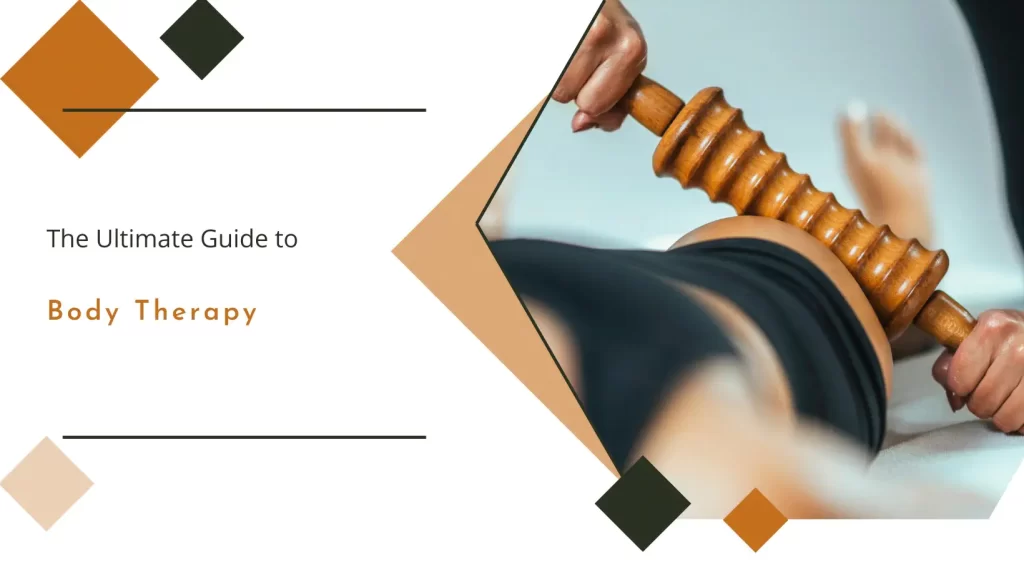
The Ultimate Guide to Body Therapy
Body therapy represents more than just a series of treatments; it embodies a holistic approach to enhancing physical and emotional well-being. The practice is rooted in the belief that the body, mind, and spirit are interconnected, and that true health can only be achieved by addressing all three. Body therapy encompasses a wide range of techniques designed to alleviate pain, reduce stress, and promote a deep sense of relaxation and balance. This holistic perspective ensures that each session is tailored to the individual’s specific needs, offering a personalized path to wellness that goes beyond the surface. Defining Body Therapy At its essence, body therapy involves the use of touch, movement, and energy work to restore balance within the body. Unlike conventional treatments that may focus solely on physical symptoms, body therapy addresses the underlying issues that contribute to discomfort and disease. Techniques such as Deep Fascia Therapy, myofascial release, and Cranial Fascia Therapy are commonly used, each targeting different layers of the body’s tissues and energy systems. The goal is to promote the body’s natural healing processes, enabling it to recover and rejuvenate from within. This integrative approach is what sets body therapy apart from more traditional forms of treatment. The Core Principles of Body Therapy Body therapy is grounded in several core principles that guide its practice. The first is the recognition of the body’s innate ability to heal itself. Therapists work to facilitate this natural process by removing blockages and restoring the flow of energy and fluids throughout the body. Another key principle is the emphasis on individualized care. Every person’s body and mind are unique, and body wellness recognizes this by offering customized treatment plans that address the specific needs of each client. Finally, there is a strong focus on the mind-body connection, acknowledging that mental and emotional well-being is just as important as physical health. By integrating these principles, body therapy provides a comprehensive approach to wellness that supports the whole person. The History and Evolution of Body Therapy The practice of body therapy has deep roots that extend back thousands of years, drawing on ancient healing traditions from around the world. Over time, these practices have evolved and merged with modern medical knowledge to create the diverse and sophisticated therapies available today. Ancient Origins of Body Therapy Many of the techniques used in body wellness have their origins in ancient civilizations. In China, for example, the practice of acupressure and massage has been used for over 5,000 years to treat a wide range of ailments. Similarly, in India, Ayurvedic medicine incorporates massage and bodywork as essential components of its holistic approach to health. These ancient practices were based on a deep understanding of the body’s energy systems and the importance of maintaining balance within them. The principles of these early forms of body therapy continue to influence modern practices, providing a foundation for the therapies we use today. Modern Developments in Body Therapy The 20th century saw significant advancements in the field of body therapy, particularly with the integration of Western medical knowledge. Techniques such as myofascial release, developed in the 1970s, brought a new understanding of the body’s connective tissues and their role in chronic pain and dysfunction. Similarly, the development of craniosacral therapy introduced a gentle yet powerful method for addressing imbalances within the central nervous system. These modern techniques have expanded the scope of body therapy, allowing it to address a wider range of physical and emotional issues. Today, body wellness is recognized as an essential component of integrative medicine, offering effective treatments for conditions that may not respond to conventional approaches. Types of Body Therapy: An Overview Body therapy encompasses a broad spectrum of techniques, each with its unique approach and benefits. Understanding the different types of body therapy can help you choose the right method for your needs. Popular Body Therapy Techniques Among the most well-known body therapy techniques are Swedish massage, deep tissue massage, and reflexology. Swedish massage is often used for relaxation and stress relief, employing long, flowing strokes to soothe the muscles and calm the nervous system. Deep tissue massage, on the other hand, targets the deeper layers of muscle and connective tissue, making it ideal for treating chronic pain and muscle tension. Reflexology focuses on specific pressure points on the feet, hands, and ears, which are believed to correspond to different organs and systems within the body. Each of these techniques offers unique benefits and can be customized to meet your specific wellness goals. Emerging Trends in Body Therapy In addition to traditional techniques, several emerging trends in body wellness are gaining popularity. One such trend is the use of myofascial release, a technique that involves gentle, sustained pressure on the body’s connective tissues to release tension and restore mobility. Another trend is craniosacral therapy, which focuses on the cranial bones and the flow of cerebrospinal fluid, promoting deep relaxation and healing. These emerging techniques are often used in combination with more traditional methods, providing a comprehensive approach to treatment that addresses both the physical and energetic aspects of health. How Body Therapy Differs from Traditional Massage While body therapy and traditional massage share some similarities, they are distinct practices with different goals and techniques. Key Differences Explained Traditional massage typically focuses on muscle relaxation, using techniques such as kneading, stroking, and tapping to relieve tension and improve circulation. While effective for relaxation, traditional massage may not address deeper issues within the body’s connective tissues or energy systems. body wellness, on the other hand, takes a more holistic approach, incorporating techniques that target the fascia, nervous system, and energy pathways. This allows body wellness to address a wider range of conditions, including chronic pain, emotional stress, and energy imbalances. Additionally, body therapy often includes an element of education, empowering clients to take an active role in their healing process. Unique Benefits of Body Therapy One of the most significant benefits of body therapy is its ability to address both the physical and emotional aspects of
The Ultimate Guide to Body Therapy Read More »